Introduction
Wound care is a necessary element of nursing and medical practice, concentrating on the avoidance, analysis, and management of injuries. As medical care continues to progress, the need for qualified specialists in wound care has actually grown significantly. Whether you're a seasoned nurse looking to specialize additional or somebody brand-new to the area aiming to make a mark, selecting the right wound care training program can be crucial to achieving your career objectives.
In this extensive guide, we'll check out different elements of wound care training, including types of training courses readily available, essential elements to think about when picking a program, and how specific training can boost your job potential customers. With various choices offered, this short article will certainly help you browse via the options effectively.
Understanding Injury Care Training
What is Injury Treatment Specialist Training?
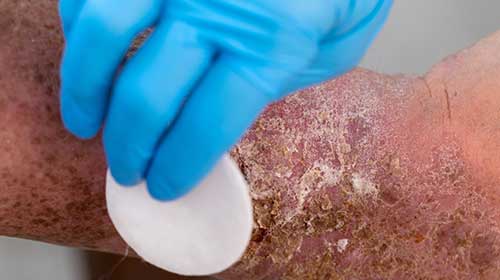
Wound treatment specialist training concentrates on equipping health care specialists with the expertise and skills required for reliable injury monitoring. wound care and management This training incorporates different aspects such as anatomy and physiology related to wound recovery, types of wounds (intense vs. chronic), dressing choice, infection control, and discomfort management.
Key Elements:
- Anatomy & Physiology: Comprehending skin layers and healing processes. Types of Wounds: Differentiating between intense and chronic wounds. Dressing Techniques: Finding out about different injury dressings and their ideal use. Infection Control: Best practices for stopping infection in injury care.
Why is Wound Care Training Important?
The value of correct wound care can not be overemphasized. Inappropriate strategies can lead to difficulties such as infections or long term healing times. Furthermore, with an enhancing number of people experiencing persistent conditions that impact healing-- like diabetes mellitus-- adequate training ends up being important for efficient individual outcomes.
Types of Wound Care Training Courses Available
When taking into consideration just how to select the right wound care training course for your career goals, it's essential first to understand the different kinds readily available:
Basic Injury Treatment Training
Perfect for novices or those trying to find foundational expertise in injury management.
Advanced/ Complex Wound Care Training
Developed for seasoned healthcare providers intending to strengthen their understanding of elaborate cases.
Online Wound Care Courses
Versatile options that permit you to learn at your own speed while stabilizing various other commitments.

Hands-On Workshops
Practical sessions where individuals get real-life experience in taking care of injuries under professional supervision.
NDIS Injury Care Training
Specialized programs concentrating on handling wounds within the context of Australia's National Handicap Insurance coverage System (NDIS).
Certification Programs
Programs that supply formal acknowledgment upon completion which may improve work prospects.
How to Select the Right Wound Care Training Course for Your Career Goals
Choosing the ideal program can feel overwhelming provided the range readily available. Here are several variables you should consider:
Define Your Job Objectives
What are your long-term profession objectives? Are you aiming to specialize further as an injury care registered nurse or perhaps shift right into a mentor duty? Clearly specifying your objectives will aid narrow down your alternatives significantly.
Assess Prerequisites
Some courses call for prior nursing experience or particular credentials prior to enrolling. Ensure you satisfy these needs prior to spending time and sources into a program.
Investigate Course Content
Look very closely at what each course uses:
- Does it cover both standard and complex injury care? Are there practical components? Is it aligned with existing ideal techniques in persistent injury care management?
Check Accreditation
Ensure that any program you consider is recognized by pertinent specialist bodies in your location or nation. Accreditation ensures that the education provided satisfies specific requirements essential for professional recognition.
Consider Flexibility
If you're currently working as a registered nurse or have other commitments, opt for programs that offer adaptable routines-- like online understanding choices or weekend break workshops-- that fit into your lifestyle without overwhelming you.
The Function of an Injury Treatment Nurse
Responsibilities and Skills Required
Wound treatment registered nurses play an important role in person recuperation by evaluating wounds, developing treatment strategies, and enlightening people about continuous care practices. Trick duties include:
Conducting detailed assessments Choosing proper dressings Monitoring recovery development Collaborating with interdisciplinary teams Educating clients and family members regarding self-care techniquesWith specialized training, you'll hone crucial abilities such as essential thinking, analytic, interaction capacities, and technological abilities pertinent to innovative treatments like unfavorable stress treatment (NPT) or bioengineered skin substitutes.
Benefits of Specialized Wound Care Training
Investing time into specialized training offers countless benefits:
Enhanced Understanding Base: You get extensive understanding regarding intricate cases. Career Advancement Opportunities: Professionals typically have much better work prospects. Increased Confidence: Being well-trained increases confidence in taking care of tough scenarios. Networking Opportunities: Involving with peers provides joint opportunities. Improved Individual Outcomes: Eventually results in far better person recovery rates!Frequently Asked Questions (Frequently asked questions)
1. What does a typical wound care training course include?
Most programs cover anatomy pertinent to injuries, analysis methods, treatment modalities-- consisting of medication use-- a hands-on component demonstrating dressing adjustments and person education strategies.
2. The length of time do these courses typically take?
Courses differ extensively; basic programs may last just a few days while advanced qualification can take a number of weeks depending on depth and structure.
3. Can I take on the internet courses while working full-time?
Absolutely! Numerous organizations provide flexible online programs made especially for functioning specialists looking for ease without jeopardizing high quality education.
4. Will certainly I receive certification after completing my course?
Yes! Most certified programs offer certificates upon effective conclusion which can enhance employment opportunities significantly!
5. Is previous nursing experience needed for entry-level courses?
Not always; some fundamental programs welcome individuals brand-new to healthcare functions who desire to begin their journey right into injury management!
6. How do I recognize if an organization is reputable?
Research reviews online from past students concerning their experiences; check if they have correctly certified programs acknowledged by expert nursing associations!

Conclusion
Choosing the right wound care training course customized specifically towards accomplishing your job objectives calls for careful consideration of different variables-- from determining personal purposes down via investigating offered options completely! With specialized understanding significantly becoming vital within health care settings today even more than ever before-- taking this action might open up doors leading towards considerable development opportunities while enhancing total person results throughout communities worldwide!
Take cost currently; discover all methods bordering "Exactly how to Select the Right Wound Care Training Training Course for Your Job Goals" to make sure that you can begin making notified choices leading paths towards success tomorrow!